
Top 9 Glow-worm Boiler Problems Every Homeowner Should Know 2026
Glow-worm boilers have been warming UK homes since 1934. They are reliable, affordable, and easy to use. But like every boiler, they can run into trouble. When something goes wrong, it can leave you without heating or hot water. That is never a good situation especially in winter.
The good news is that most Glow-worm boiler problems follow a pattern. Once you know what to look for, you can act fast. Some issues you can fix yourself. Others need a Gas Safe registered engineer. Either way, catching the problem early always saves you time and money.
This guide covers the top 9 Glow-worm boiler problems every homeowner should know in 2026. Read through each one. Understand the signs. And know when to call in a professional.
1. Low Boiler Pressure
Low pressure is one of the most common Glow-worm boiler problems. It happens when the water pressure in the system drops below 1 bar. Your boiler may stop working altogether or struggle to heat your home properly.
You might notice your radiators are cold at the bottom. Or the boiler display might show an error code like F9. The pressure gauge on the front of the boiler will show a reading below 1 bar.
The ideal pressure for a Glow-worm boiler is between 1 and 1.5 bar. Common causes include small leaks in the system, recently bled radiators, or a faulty pressure relief valve.
What you can do: You can repressurise the boiler yourself using the filling loop. It is located underneath the boiler. Follow your boiler manual step by step. If the pressure keeps dropping within a few days, there may be a hidden leak. In that case, call a Gas Safe engineer to inspect the system.
2. Ignition Fault
An ignition fault means your boiler is trying to light but failing. You might hear a clicking sound. But the boiler never fully fires up. This leaves you with no heating and no hot water.
Glow-worm boilers often display fault codes F1 or F4 when this happens. Both point to an ignition problem. The cause could be a dirty ignition electrode, a blocked burner, or an interruption in your gas supply.
What you can do: First, check that your gas supply is working. Try using another gas appliance in your home, like your cooker. If that works fine, the issue is inside the boiler. Check the pilot assembly for any blockages. Do not attempt to repair internal ignition components yourself. Call a Gas Safe registered engineer. They will clean or replace the electrode and lead if needed.
Click Here To Read Consistency Quotes
3. No Heating or Hot Water
Your Glow-worm boiler powers up but nothing happens. The radiators stay cold. The hot water tap runs cold. This is one of the most frustrating problems you can face.
There are several possible causes. It could be a faulty thermostat. It could be a damaged diverter valve. It could also be low water pressure, a broken pump, or a failed motorised valve. The problem could even be as simple as an incorrectly set timer.
What you can do: Start with the easy checks. Make sure the thermostat is set high enough. Check that the timer and programmer are set correctly. Verify that the boiler pressure is within the normal range. Try resetting the boiler. If none of this works, the problem is likely internal. You will need a qualified engineer to diagnose and fix it.
4. Frozen Condensate Pipe
This problem is common in winter. The condensate pipe carries waste water from the boiler to an external drain. In cold weather, this pipe can freeze solid. When it does, the boiler locks out and stops working.
Glow-worm boilers will often display an error code when this happens. You may also hear a gurgling sound coming from the boiler. The blockage is almost always in the section of pipe that runs outside your home.
What you can do: This is one of the few fixes you can safely do yourself. Gently pour warm water, not boiling water over the frozen section of pipe. Start from the outside and work inward. Once the pipe thaws, reset the boiler. It should fire up again. To prevent this problem in future, have your engineer insulate the pipe or reroute it during your next service.
5. Strange Noises Banging, Whistling or Gurgling
Your boiler should be quiet when it runs. If you start hearing loud banging, whistling, or gurgling sounds, something is wrong. These noises should never be ignored.
Banging and whistling often point to a condition known as kettling. This happens when limescale or sludge builds up inside the heat exchanger. The build-up restricts water flow. The water then overheats and creates steam pockets which cause the noise.
Gurgling sounds are usually caused by air trapped in the system or a partially frozen condensate pipe.
What you can do: Bleeding your radiators can help with gurgling caused by trapped air. For kettling, you need a professional power flush. This clears out the sludge and limescale. Ask your engineer to fit a magnetic filter at the same time. This device catches debris before it reaches the heat exchanger, preventing the problem from coming back.
6. Boiler Keeps Switching Off (Short-Cycling)
Does your Glow-worm boiler fire up and then switch off after a short time? This is called short-cycling. It means the boiler is not completing its heating cycle properly.
This problem wastes energy and puts extra wear and tear on your boiler. Over time, it can lead to more serious damage. Short-cycling can be caused by low water pressure, a blocked heat exchanger, a faulty pump, or overheating caused by poor water circulation.
What you can do: Check the boiler pressure first. If it is low, repressurise the system. If the pressure is fine, check that all radiator valves are open and that nothing is blocking the heat exchanger. If the boiler continues to cut out, call an engineer. They can check the pump, thermostat, and internal components for faults.
7. Boiler Leaking Water
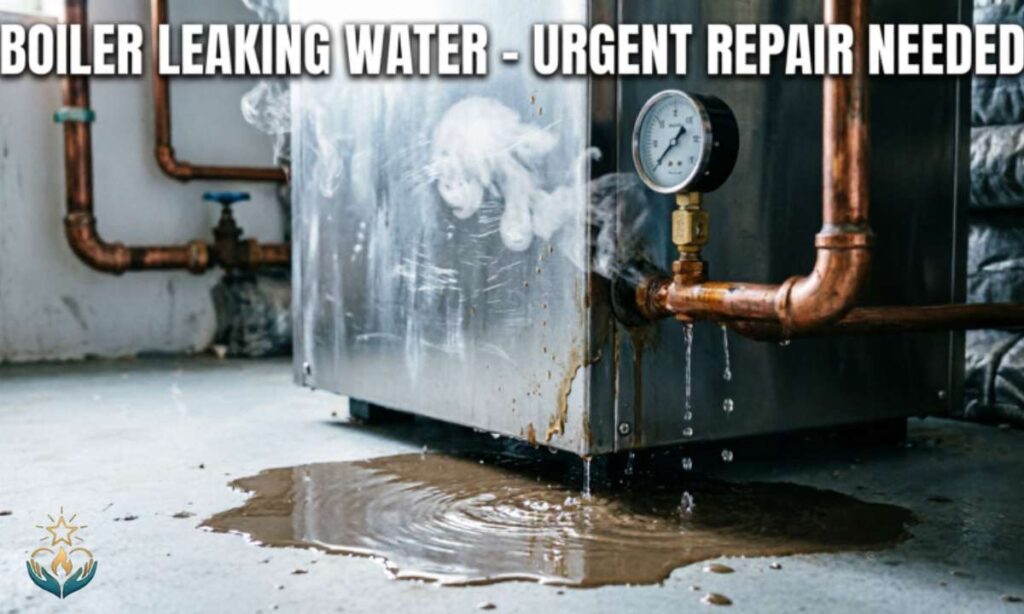
A leaking boiler is always a serious concern. Water dripping from the boiler can cause damage to your floors and walls. It can also indicate a fault with a key internal component.
The most common causes of leaks in Glow-worm boilers are a damaged pressure relief valve, a faulty pump seal, or a corroded heat exchanger. A loose connection in the pipework can also cause dripping.
What you can do: Do not attempt to fix a boiler leak yourself. Turn off the boiler immediately. Place a towel or bowl to catch the dripping water. Then call a Gas Safe registered engineer as soon as possible. The sooner you act, the less damage the leak will cause. Your engineer will identify the source and replace any faulty components.
8. Glow-worm Error Codes on the Display
Modern Glow-worm boilers have a digital display that shows fault codes. These codes are designed to help you and your engineer identify problems quickly. But they can be confusing if you do not know what they mean.
Here are some of the most common Glow-worm fault codes:
- F1 Ignition fault
- F4 Ignition fault (similar to F1, check gas supply first)
- F9 Pressure, circulation, or diverter valve issue
- F16 Flame detection fault (common on Ci models)
- F28 / F29 Gas valve or ignition-related fault
Each code points to a specific area of the boiler. Some, like F9, are generic and can point to several different issues.
What you can do: Note down the error code before doing anything else. Check your boiler manual for guidance. Try a boiler reset and hold down the reset button for a few seconds. If the code returns, call a qualified engineer with the code in hand. This speeds up the diagnosis and repair.
9. Flame Detection Fault (F16 Error)
The flame detection fault is one that Glow-worm owners report frequently, particularly on older Ci range models. The boiler either fails to detect a flame or fails to hold one. This causes the boiler to lock out.
The F16 code can appear because the flame detection probe is dirty or worn out. It can also appear when the pilot assembly is blocked and no gas is flowing through it. In some cases, the gas valve itself may be at fault.
What you can do: This is not a DIY fix. The flame detection probe and lead need to be inspected by a Gas Safe engineer. The engineer will clean the pilot assembly first. If the probe is faulty, they will replace it. Do not attempt to bypass or reset this fault repeatedly without a proper diagnosis. Doing so can be dangerous.
Frequently Asked Questions
How long do Glow-worm boilers last?
With proper care and annual servicing, a Glow-worm boiler can last between 10 and 15 years. Some models last even longer. Regular maintenance is the key. An annual service by a Gas Safe registered engineer keeps the boiler running efficiently and catches small problems before they become big ones.
Can I fix a Glow-worm boiler problem myself?
You can safely handle a few simple tasks yourself. These include topping up the boiler pressure, bleeding radiators, thawing a frozen condensate pipe, and resetting the boiler. For anything involving gas, internal components, or electrical parts, always call a Gas Safe registered engineer. Attempting these repairs yourself is dangerous and illegal.
Why does my Glow-worm boiler keep losing pressure?
If your boiler pressure drops repeatedly, there is likely a leak somewhere in the system. It could be a tiny leak in a radiator, a pipe joint, or the pressure relief valve. Bleeding radiators can also cause a temporary pressure drop. A Gas Safe engineer will carry out a pressure test to find and fix the source of the leak.
What do I do when my Glow-worm boiler shows an error code?
Write down the fault code shown on the display. Check your boiler manual to understand what it means. Try resetting the boiler by holding the reset button for a few seconds. If the code comes back, call a Gas Safe registered engineer. Giving them the fault code over the phone helps them prepare for the job before they arrive.
How often should I service my Glow-worm boiler?
You should have your Glow-worm boiler serviced once a year, ideally before winter. A service includes cleaning the internal components, checking the gas pressure, inspecting the heat exchanger, and testing the safety controls. Regular servicing keeps your boiler running efficiently, extends its lifespan, and keeps your warranty valid.
Conclusion
Glow-worm boilers are among the most trusted heating systems in the UK. They are built to last and designed to perform. But no boiler is completely problem-free. Knowing the most common faults from low pressure and ignition failures to frozen pipes and strange noises puts you in control. You can spot trouble early, take the right steps, and avoid being left in the cold.
The most important thing you can do as a homeowner is stay on top of maintenance. Book an annual service every year without fail. Keep an eye on the pressure gauge. Listen for unusual sounds. And always call a Gas Safe registered engineer for anything beyond a simple reset or top-up. A small problem dealt with quickly is always cheaper than a big repair left too long. With the right care, your Glow-worm boiler will keep your home warm and comfortable for many years to come.

Welcome to Glowsrix your trusted source for creative ideas, helpful guides, inspiring Blessings, lifestyle tips, and trending content. Our goal is to deliver engaging, easy-to-read articles that inform, inspire, and add value to your daily life.